Finding Patterns: The Art of Cybersecurity
An ocean of logs. A canvas of clues.
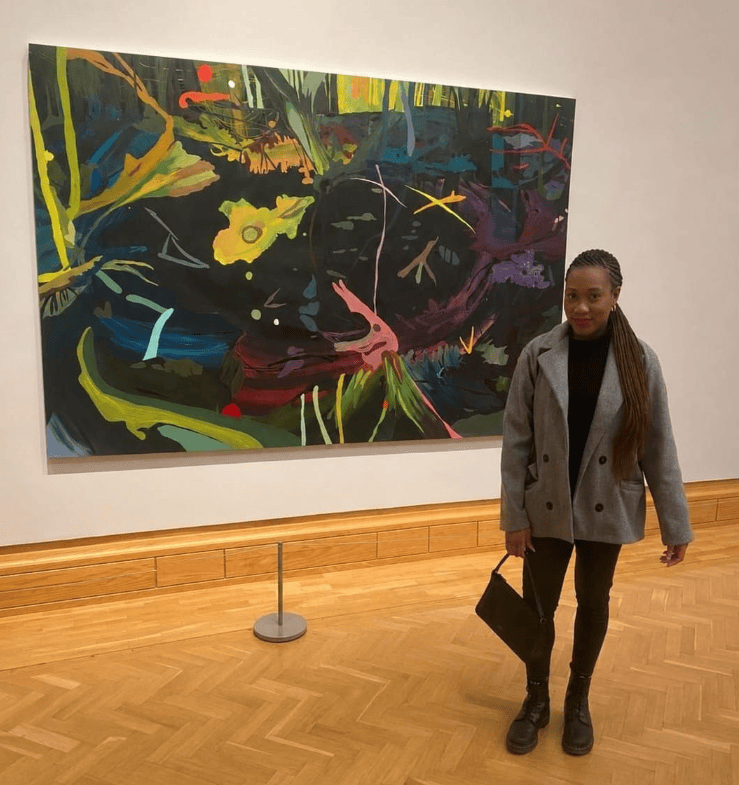
For many, cybersecurity is simply data. But perhaps it isn't all about reading logs. Perhaps it's more like standing in front of a piece of abstract art.
At first, the canvas appears chaotic. Colours seem disconnected. Brushstrokes feel random. Yet, as you spend more time observing, patterns begin to emerge. The picture doesn't change, your perspective does.
Cybersecurity is no different.
Every investigation begins with fragments rather than answers. A login from an unfamiliar location. An unexpected process. A suspicious IP address. A timestamp that doesn't quite fit. Individually, they may appear insignificant, but together they begin to tell a story.
When I stand in front of a painting, I don't just see the finished image. I look at how it was made. The materials the artist chose. The direction of brushstrokes. The colours they reached for, and the ones they left out. The texture, built up layer by layer. None of it is accidental. Every choice carries intent.
I've realised I approach security the same way.
The materials - the tooling, the infrastructure, the malware - hint at who is behind it and what they had to hand. The direction of the brushstrokes - the sequence of actions, the path through an environment - shows how they moved and where they were heading. The choice of colours - which signals they let blend into the noise, and which stand out against the baseline - reveals what they wanted me to overlook. And the texture - the layers, the friction, the parts that don't feel smooth - is often the first thing that tells me something is wrong, long before I can prove it.
In both, the technique isn't the point. What it represents is.
But abstract art isn't the only artistic parallel. Cybersecurity also shares something with mosaic art. A mosaic isn't created from one perfect piece. It's formed from hundreds of small fragments, each seemingly ordinary on its own. Only when they're carefully assembled does the full picture emerge.
Cyber investigations are built on the same principle.
Whether we're investigating, defending or designing secure systems, our role isn't simply to collect evidence. It's to recognise how those fragments connect. To understand the relationships between people, systems and technology. To see the bigger picture hidden within the smallest details.
Every painting tells a story. Every cyber incident does too.
The challenge isn't finding every piece, it's recognising how they fit together. Sometimes, the most important clues aren't obvious at all. The most compelling works of art often reveal more than they first appear to. Hidden details, subtle symbolism and deliberate choices quietly shape the story being told.
Security rewards that kind of attention.
Like steganography - the practice of hiding information within an image that appears entirely ordinary - the most valuable information isn't always in plain sight. Sometimes it's concealed within what appears completely normal, waiting for someone curious enough to uncover it.
I think that idea extends beyond steganography itself.
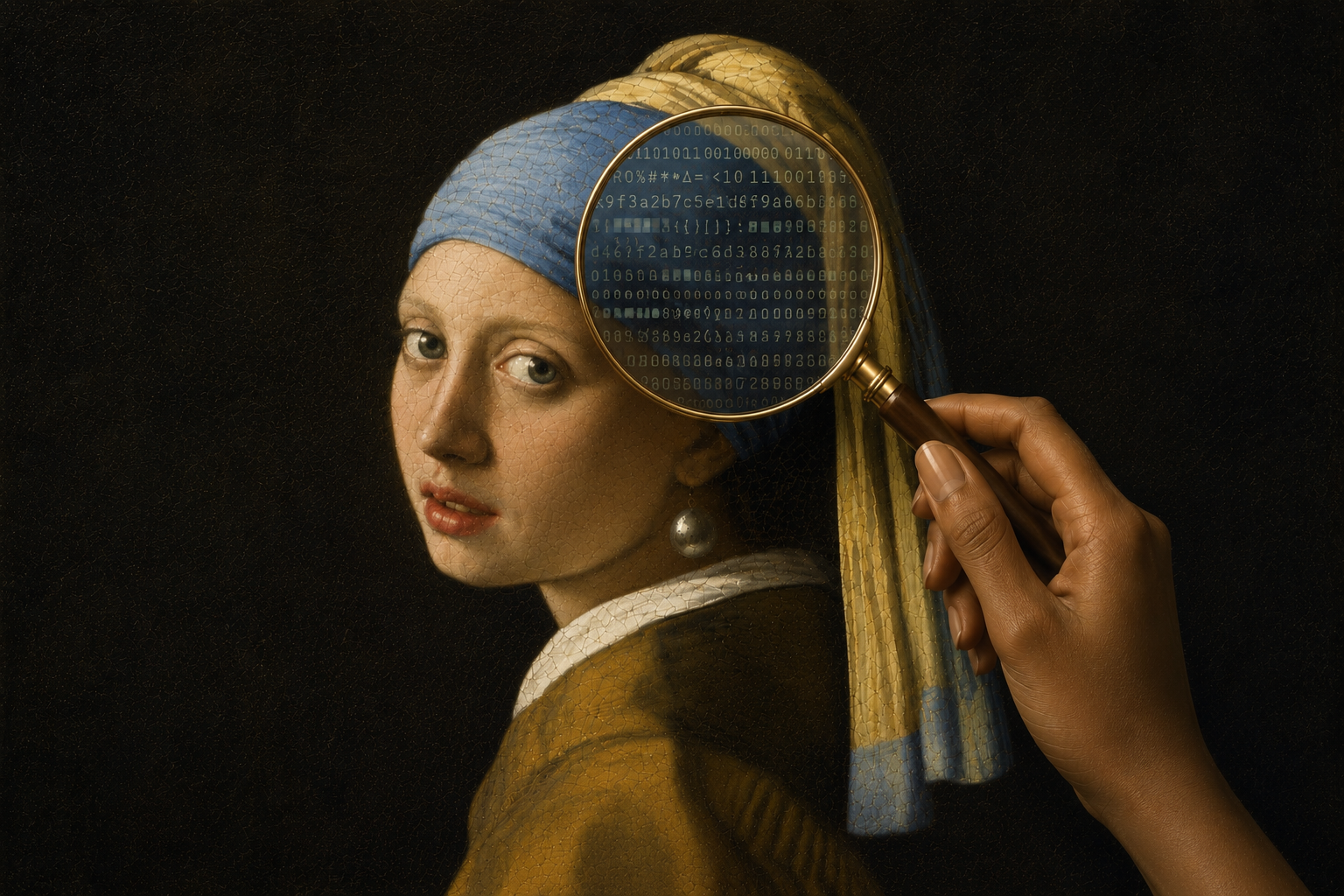
The answers aren't always immediate. They emerge through observation, curiosity and a willingness to keep exploring long after others have stopped looking.
This is where creativity becomes a strength in cybersecurity. Creativity is about imagination. It's about resisting the temptation to accept the first explanation. It's about challenging assumptions, exploring different possibilities and connecting ideas that don't initially appear related.
The more I work in cybersecurity, the more I realise that technical expertise alone isn't enough. Technology provides the data. Creativity provides the perspective. It's the mindset that transforms information into understanding.
Art teaches us to slow down.
To observe.
To question.
To look beyond the obvious.
So, what's in your toolkit?
A canvas, acrylics and charcoal? Or AI agents, telemetry and human curiosity?
Whichever tools we choose, they're only as powerful as the person using them. Because in both art and cybersecurity, it's our curiosity, attention to detail and ability to connect seemingly unrelated details that ultimately paint the picture.